
Top 5 Oolongs That Will Surprise Even the Most Experienced Gourmet

- 08 September 2025pmEurope/KievMon, 08 Sep 2025 12:04:00 +03002025pMondaypm25
- Views: 2831
Top 5 Oolongs That Will Surprise Even the Most Experienced Gourmet
It seems like you've tried everything: Tie Guan Yin, Da Hong Pao, Dong Ding... and even that rare Chinese oolong that a tea-loving friend once gave you? Believe me, the world of oolongs is much bigger and deeper! Oolongs are like Netflix for taste buds: each cup has a new season, a new plot, and a new main character.
Today we'll tell you about 5 oolongs that will impress even the most experienced gourmets, figure out how Taiwanese oolongs differ from Chinese ones, and share the secrets of proper brewing. After this article, you'll definitely find an oolong that will become your favorite.
Oolong: tea on the verge of magic
What is oolong? It's a semi-fermented tea that lives somewhere between green and black. It has more body than green teas, but not the astringency of black teas. This is what makes oolongs incredibly diverse: one is light and floral, another is rich and caramelly, and a third is like a dessert in a cup.
The secret of the taste lies in the degree of fermentation and roasting. Light fermentation and minimal heat - and you get tea with floral-honey notes. Long roasting - and the taste goes into nuts, caramel and dried fruits. This is why the best oolongs are never the same: their taste is influenced by the region, climate, mountain altitude and the skill of the tea master.
Chinese vs. Taiwanese Oolongs: What's the Difference
When it comes to choosing oolongs, the question arises: Chinese oolong or Taiwanese? There is a difference, and it is felt in every cup.
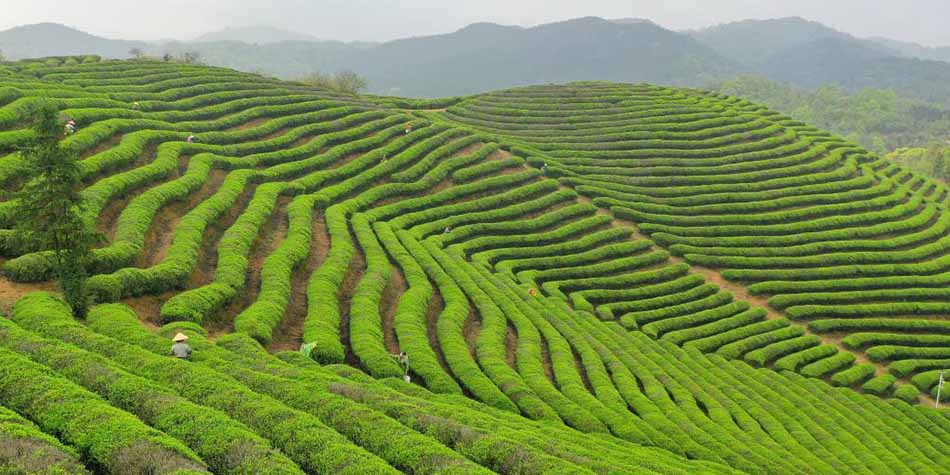
Chinese oolongs are a classic of the genre. They have been made for centuries, preserving traditional technologies. Their taste is rich, multi-layered, with a deep aftertaste.
Taiwanese oolongs are bold innovators. They love to experiment with roasting and fermentation. Taiwanese teas are lighter, floral, sometimes even creamy.
It's all about the terroir. Chinese plantations give a dense, earthy and warm taste, and Taiwan's highlands create teas with an airy texture and floral aroma. Which one to choose? We recommend both. It's like arguing which is tastier - tiramisu or cheesecake. The answer is always the same: try both.
TOP 5 oolongs that every gourmet should try
1. Tie Guan Yin - "Iron Goddess of Mercy" (China)
The most famous Chinese oolong, legendary and aromatic. A floral bouquet, light sweetness, orchid notes and a subtle creamy trail - this is why Tie Guan Yin is loved all over the world. A good tea can be brewed up to 7 times, and each time the taste will reveal new shades. If you are looking for the best oolong for beginners, start with this one.
2. Dong Ding - "Ice Peak" (Taiwan)
A classic of Taiwanese oolongs. Dong Ding is a tea with a "soul of coziness": creamy notes, light caramel aroma and velvety texture. Lightly roasted versions have additional depth of taste - nuts, vanilla, baked fruits. If you are looking for a delicious oolong with a soft aftertaste, this tea is made for you.
3. Da Hong Pao - "Big Red Robe" (China)
One of the most famous and expensive oolongs in the world. This tea grows in the Wuyi Mountains and is famous for its rich aroma with notes of chocolate, caramel and dried fruits. Its taste is deep, rich, with a long sweet aftertaste. Real Da Hong Pao is a tea for those who appreciate complexity and want to try elite Chinese oolong.
4. Shan Lin Xi - "High Mountain Poetry" (Taiwan)
Grown at an altitude of up to 2000 m, this Taiwanese oolong is distinguished by a subtle floral aroma, freshness and lightness. There is more air, clouds and sun mist here than earth and fire. Shan Lin Xi is an ideal option for those looking for refined oolongs with a light taste and a long aromatic aftertaste.
5. Feng Huang Dan Cong - "Phoenix from Chaoshan" (China)
This Chinese oolong is famous for its rich aromas. Each bush has its own name: jasmine, peach, grape, honey... The infusion is thick, rich, complex, with fruity notes. This is a tea for those who want to try the most unusual oolongs and discover flavors that you don't expect from tea.
Secrets of brewing oolongs correctly
Buying an oolong is only half the battle. To reveal the full flavor, it is important to brew it correctly.
1. Water temperature
Light oolongs (Tie Guan Yin, Dong Ding, Shan Lin Xi) - 85-90 °C
Dark oolongs (Da Hong Pao, Feng Huang Dan Cong) - 90-95 °C
2. The teapot matters
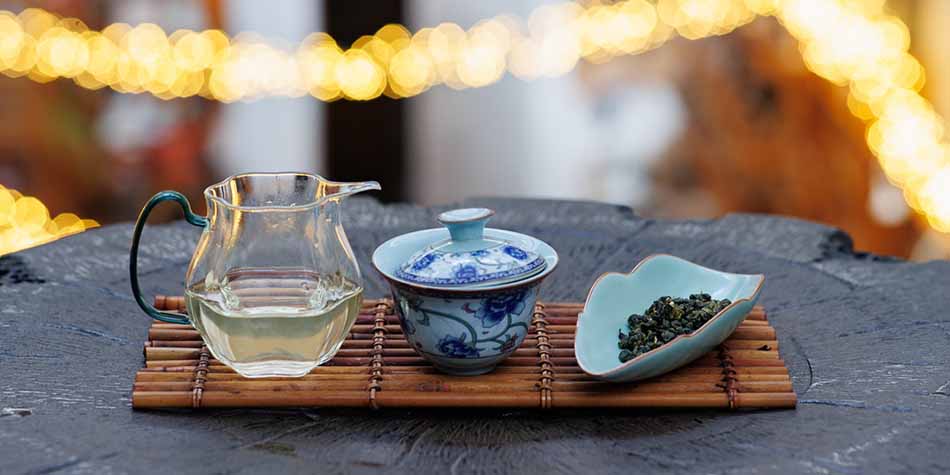
It is better to use a gaiwan or a Yixing clay teapot - they perfectly reveal the aroma.
3. Warming up the dishes
Before brewing, rinse the teapot and bowls with hot water - the taste will be softer and brighter.
4. Steeping
Oolongs are brewed multiple times. The first steeping is quick - "awakening" the leaves. Each subsequent one - 15-40 seconds. Each time the taste will change.
5. Proportions
Optimum: 5-6 g of tea per 100-120 ml of water. If you want more richness - increase the amount.
6. Cold brewing
In the summer, try making a cold brew: 5 g of tea, cold water, 6-8 hours in the refrigerator. Incredibly refreshing!
How to choose an oolong so as not to be mistaken
Listen to the aroma. A good oolong smells fresh and natural.
Look at the leaves. A quality oolong is whole, not dusty.
Trust the first steeping. The infusion should be cleanm and transparent.
Try different things. Chinese oolongs will give you depth of taste, Taiwanese - lightness and freshness.
Conclusion
The world of oolongs is huge and infinitely diverse. Want a dense, rich taste - choose Chinese oolong. Need a refined, floral tea - try Taiwanese oolongs.
And if you think that you are no longer surprised ... just brew Shan Lin Xi on a quiet evening or try Dong Ding the cold way. Spoiler: it will be love.
Enjoy your tea parties with i-tea.club!
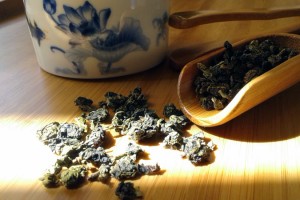
Te Guan Yin is a tea legend, the king among Chinese oolongs. This tea can be called a visiting card ..
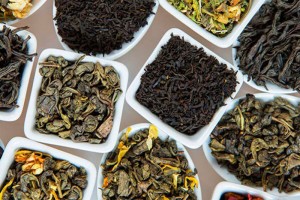
In our time, the tea market is represented by many varieties of tea. The price range is very wide - ..
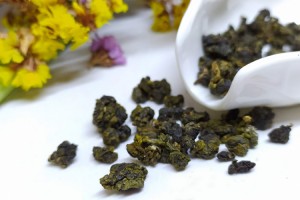
Oolong tea (oolong) or zing cha (turquoise tea) got its name not because of the turquoise color of t..
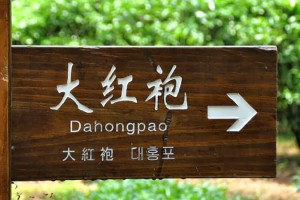
Da Hong Pao is a legendary tea that has conquered the hearts of tea gourmets. They talk about him ex..
Recommended

Guangdong oolong of the highest quality. Guangdong Oolong Tea (Chaozhou Cha) is grown in Guangdong Province, famous for its tea..
265 грн.

The younger brother, Da Hong Pao, who has a very similar taste, aroma and properties, will also be pleasantly surprised by the cos..
100 грн.

Te Guang Yin is China's tea legend. One of the brightest Chinese oolong tea intoxication effect. Farmer Tie Guan Yin with a han..
112 грн.

Ulun Mountain of Joy fully justifies the name, fills with inspiration and happiness! Synonyms: Oolong from the mountains of He ..
385 грн.

Lishan - joy from Pear Mountain, a high-mountain source of enjoying taste and aroma! Li Shan Oolong is grown at an altitude of ..
295 грн.

Highest quality Guangdong oolong with the natural aroma of osmanthus. Not flavored! A delicious fruity aroma gives this oolong ..
277 грн.

Kimun is a strong, black, intoxicating, fragrant breath of inspiration from fatigue and depression with a soft "smoke". Synonym..
215 грн.

Warming and hugging evening tea with honey notes of dried fruit for lovers of classic black. Synonyms: Red Yunnan tea, Dian Hon..
141 грн.

Dian Hong - your inspiration and harmony with the heady aroma and rich taste! Dian Hung is autumn! Dian Hoon is a red tea that ..
163 грн.

Golden Brow - delicately curled tea leaf and golden bud. This tea is not only beautiful, it is incredibly tasty and fragrant! ..
138 грн.

Happy Raja - the taste and emotions of childhood! Indian black tea, which returns to childhood not only the taste and aroma, bu..
150 грн.

Assam is the strongest of all Indian teas. About half of the tea produced in India is grown in the Indian state of Assam. The t..
270 грн.

Ceylon black tea - the usual taste and aroma from childhood! Tea grown on the tea island itself. Sri Lanka (Ceylon) is recogniz..
210 грн.

Xiao Zhong - warm embrace of an old friend, coziness and comfort in every mouthful. Effect: warms, improves mood and well-being..
165 грн.