
Tea with milk. Pros and cons


- 22 August 2020pmEurope/KievSat, 22 Aug 2020 12:45:54 +03002020pSaturdaypm20
- Views: 5884

Milk tea - harmful or useful?
There are plenty of disputes on this topic. To give any definite answer to this question, let us sort all the aspects on the shelves and try to figure it out.
Each individual product - both milk and tea - has a specific chemical composition. These are amino acids, minerals, vitamins, proteins, fats, carbohydrates and many more additional substances. Each substance in one way or another affects our health and mood, blood composition, blood pressure, well-being. The combination of milk with tea can neutralize or, conversely, enhance the effect of certain substances.
Therefore, before adding milk to tea, decide what effect you expect from this combination. Since in this tandem, tea is still considered the main ingredient, and milk is an addition, then ask yourself - why do you drink tea?
Cheer tea
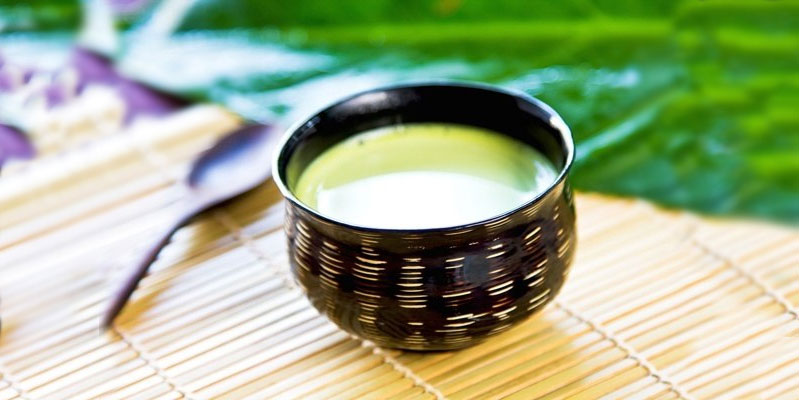
As you know, tea invigorates well due to the caffeine content. Green tea is especially rich in invigorating amino acid. Milk is rumored to neutralize the effects of caffeine, but is it? Caffeine breaks down in an alkaline environment and forms physiologically inactive caffeidine. Milk has PH 6.5 (weakly acidic environment), therefore, it is not able to break down caffeine.
So adding milk to tea has no effect on its invigorating effect. Slightly reduces concentration - yes, but the caffeine from the drink does not disappear anywhere.
It tastes better with milk
This is a very controversial issue. If it tastes better with milk, does it mean it tastes better without milk? Milk can actually soften the bitterness and astringency of the tannin that is present in tea. But pronounced bitterness or astringency is characteristic only of poor-quality or improperly brewed tea. If the taste of tea is unpleasant to you and you have to improve it with milk - why drink such tea at all? Just drink milk. Or buy delicious, quality tea.
Relaxation Tea
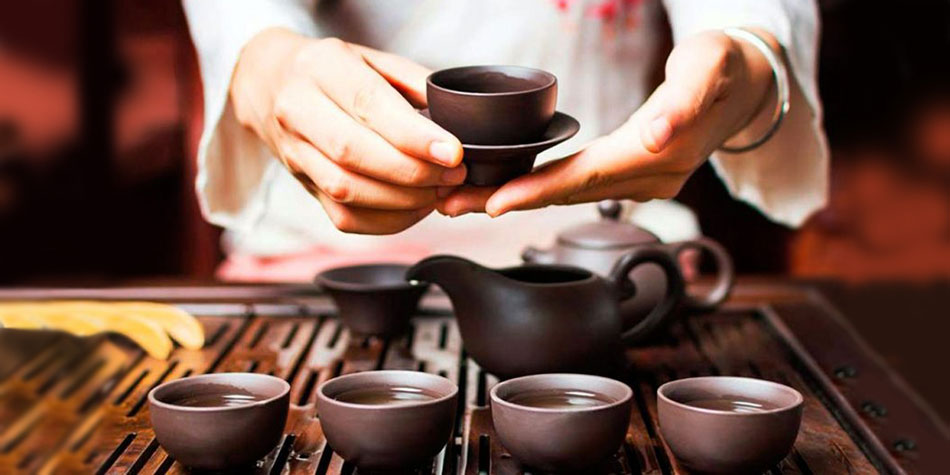
Or, if you like, for tea intoxication. A special tea state is achieved with the combination of many aspects - the taste and aroma of tea, the atmosphere for tea drinking, a special brewing ritual, beautiful dishes. Tea is brewed by the strait, many times, the participants of the tea-drinking savor each precious sip from small bowls, concentrating on the changes in taste and aroma - this is the only way to communicate with tea brings maximum pleasure. What kind of milk are you talking about? Even the wrong water can spoil the delicate multifaceted taste of good tea. There is no place for milk and sugar in the Chinese tea ceremony.
Slimming Tea
You will say that the answer is obvious - tea with milk becomes high in calories, therefore, its properties to promote weight loss are leveled. It's like that. But if you skip dinner in favor of a cup of milk tea, you'll be rewarded with quick results. Milk tea will lull the feeling of hunger, in addition, milk has a mild sedative effect. You will sleep well and your stomach will not be overloaded with unnecessary work at night.
Milk tea for nursing mothers

It is believed that milk tea helps to improve lactation. In fact, there is no evidence for this statement. Yes, a young mother needs to eat well, but milk is not the only food. Tea, especially green tea, is an excellent source of vitamins and antioxidants, but its tonic effect can make a baby overly agitated, so don't drink strong tea. The soft white tea Silver Needles, which is 100% tea bud, will be very useful for a baby and a young mother.
But with milk, everything is not so simple. Cow's milk often causes allergies in babies and even the risk of developing diabetes. Not all, of course - we do not pretend to be an expert in this matter. Observe how your baby's body reacts to milk, consult a pediatrician.
Matcha with milk
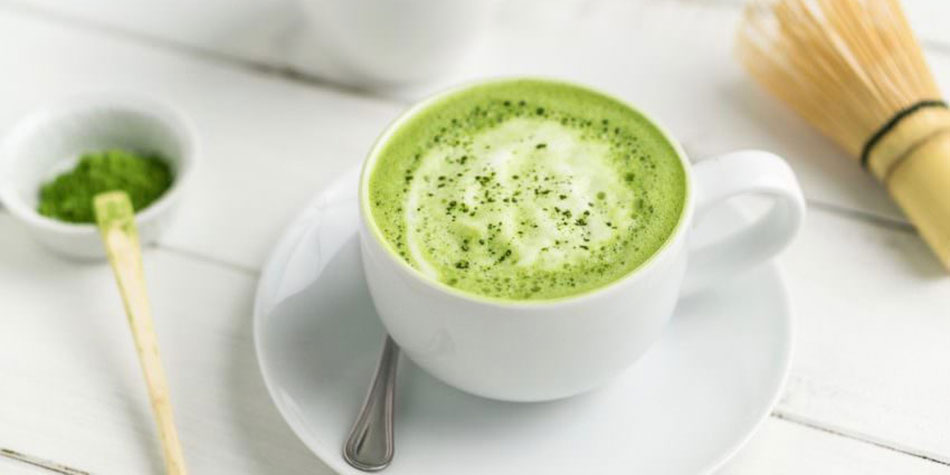
The fashion of making Japanese powdered tea with whipped milk appeared relatively recently. Matcha latte, matcha cappuccino, desserts and pastries with matcha tea - social networks are full of bright photos of trendy bright green drinks and goodies. Let's see where the legs grow from.
The main advantage of powdered tea is that you consume the infusion along with crushed tea leaves, getting the maximum benefit from the tea. Real matcha is very healthy, it has a bright green color, a herbaceous aroma and a delicate, fresh, sweetish taste. Elite varieties are harvested in early spring from selected raw materials. But this tea is not cheap.
The budget matcha does not shine with special gustatory merit - the taste is simple, sometimes bitter, flat, uninteresting. Doomed to improve. How else to improve the taste of mediocre tea, if not milk? Let the lovers of matcha latte not be offended, but it is doubtful that the cafe will prepare a ceremonial-quality matcha in milk.
By the way, according to one of the versions, the ancient Chinese added milk to tea to make it more accessible. Only very wealthy people could afford an exotic drink, and milk was cheap.
But what about the centuries-old traditions? The British always drink tea with milk.
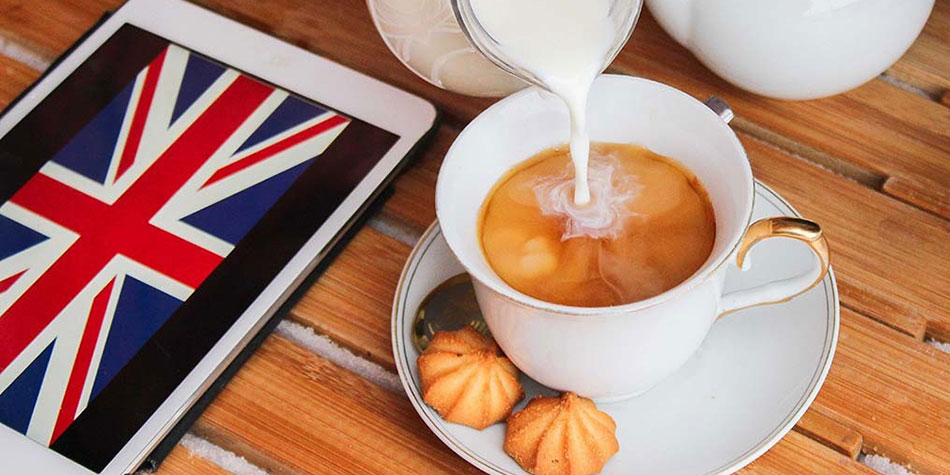
It really is tradiation and nothing more. You probably already know how it developed. Ladies and gentlemen poured milk into the bottom of a teacup so that hot tea would not damage the finest Chinese china's expensive china. And then they somehow got used to doing it and just couldn't stop.
Is Indian masala tea? Buryat tea with salt, yak oil and lamb fat? Perhaps we will talk about the traditions of tea drinking of different nations in a separate article.
Summary
Separately, both milk and tea are good for the human body. Tea is a source of vitamins, antioxidants, and other vital trace elements. And milk is considered one of the main sources of calcium. But the combination of these two drinks is not always appropriate.

A person learns the world around him with the help of five main senses - sight, hearing, smell, touc..
Green tea... there are literally legends about its benefits. Not surprisingly, the upper leaves and..
In addition to the obvious difference in taste, infusion color and aroma, black and green tea have c..

Milk Oolong is one of the most popular Chinese teas. Moreover, when they say the word “oolong”, many..
Recommended

Red tea from Kenya - the taste of sunny summer is always with you! Kenyan red tea? Yes, this is a discovery! Close your eyes, i..
120 грн.

Ceylon black tea - the usual taste and aroma from childhood! Tea grown on the tea island itself. Sri Lanka (Ceylon) is recogniz..
210 грн.

English breakfast is a harmonious blend of Indian and Ceylon black tea. The impeccable taste and elegance of the Queen of England!..
220 грн.

White Tea Silver Needles - a delicious elixir of health and longevity! Synonyms: Bai Hao Yin Zhen Effect: relieves tension, ..
158 грн.

Silver Snail - the embodiment of your fantasies Silver Snail is a classic white tea from China, twisted into funny spirits in t..
85 грн.

Inexpensive matcha (matcha) for making tea, match latte and cooking. Effect: tones up, induces active actions, invigorates, ene..
285 грн.

Kimun is a strong, black, intoxicating, fragrant breath of inspiration from fatigue and depression with a soft "smoke". Synonym..
215 грн.

Warming and hugging evening tea with honey notes of dried fruit for lovers of classic black. Synonyms: Red Yunnan tea, Dian Hon..
141 грн.

Dian Hong - your inspiration and harmony with the heady aroma and rich taste! Dian Hung is autumn! Dian Hoon is a red tea that ..
163 грн.

Golden Brow - delicately curled tea leaf and golden bud. This tea is not only beautiful, it is incredibly tasty and fragrant! ..
138 грн.

Happy Raja - the taste and emotions of childhood! Indian black tea, which returns to childhood not only the taste and aroma, bu..
150 грн.

Assam is the strongest of all Indian teas. About half of the tea produced in India is grown in the Indian state of Assam. The t..
270 грн.
Ceylon black tea - the usual taste and aroma from childhood! Tea grown on the tea island itself. Sri Lanka (Ceylon) is recogniz..
210 грн.

Xiao Zhong - warm embrace of an old friend, coziness and comfort in every mouthful. Effect: warms, improves mood and well-being..
165 грн.