
Does green tea wash out iron? Is it so?


- 20 September 2020pmEurope/KievSun, 20 Sep 2020 12:58:34 +03002020pSundaypm20
- Views: 48376

Recently, on the Internet, you can often find information that green tea washes out iron.
Iron is an essential trace element necessary for our health. The main function of iron is to transport oxygen to tissues and metabolism. If the body does not get enough oxygen, it can lead to iron deficiency anemia.
Lack of iron negatively affects health, appearance and overall well-being. It would be very offensive if, among the mass of useful properties of green tea, such an unpleasant property were suddenly discovered - to deprive the body of a vital trace element. Therefore, we decided to look into this issue in more detail and defend a good tea reputation.

Green tea leaches out iron. Is it so?
First, how can tea “wash away” anything more actively than ordinary water? Our body cannot produce iron on its own, it enters the body with food and drinks, and is naturally excreted from it.
So neither tea, nor coffee, nor any other drinks can "wash out" anything a priori. The body is a wise and complex mechanism, and it itself puts everything on the shelves and decides what to recycle and turn into benefit, and what to dispose of.
Another thing is the assimilation of vitamins and microelements that enter the body with food. Everything is a little more complicated here. Indeed, a combination of certain substances can improve, or, conversely, weaken the body's ability to assimilate them.

What substances activate iron absorption?
- Hemoglobin (meat, liver)
- Acids (vegetables, kefir)
- Vitamin C (fruit, tea)
What substances interfere with the absorption of iron?
- Dietary fiber (grain products)
- Calcium, phosphate (cheese, dairy products)
- Phosphoprotein (eggs)
- Polyphenols (tea)
So what happens? Is green tea an inhibitor of iron absorption due to its polyphenol content, and is it an activator because it is rich in vitamin C? Now we are completely confused :-)

Well, nothing, let's move on. Among other trace elements, green tea contains iron. However, not much - only 0.003 mg per 200 ml cup. This figure may vary depending on the variety, brewing method and other factors.
The daily need for iron for an adult man is 18-15 mg, for a woman - 25-27 mg per day.
This means that with three cups of tea, a person receives about 0.01 ml of iron. A trifle, but nice :-)
By the way, one of the sources even says that scientists recommend using tea in the fight against anemia, as it contains copper and iron. But we will not call for the treatment of anemia with tea - we still do not pretend to be a doctor.
Such a different iron
Through our independent investigation, we found that not all iron is absorbed equally well - with or without tea. The iron we get from food is available to the body in two valence states - heme (Fe2) and non-heme (Fe3).
The first, heme iron, is better absorbed by the body. It is found in meat, offal, liver.
Non-heme iron is found in legumes, dried fruits, etc. and is absorbed by the body by only 5-10%.
It turned out that tea can only affect non-heme iron, which is poorly absorbed even without tea. Tea has no effect on the main source of iron, heme.
Iron health

Another argument in defense of tea. Asians have been drinking this drink from time immemorial in large enough quantities, and everyone knows about their longevity and good health. The Chinese consider tea to be a cure for all ailments. In addition, tea is excellent for treating some of the symptomatic manifestations of iron deficiency anemia, such as fatigue and apathy.
Who needs iron more?
A deficiency of this trace element is more often experienced by women due to monthly blood loss and worse absorption. An increased need for iron can also be caused by stress and excessive physical or mental stress. By the way, anti-stress GABA tea can be the prevention of iron deficiency.
Excess iron in the body
It would seem that iron is good, the more the better. But an excess of this trace element is even more dangerous than a deficiency. Excess iron oxidizes and increases the amount of free radicals, thereby accelerating the aging process. The liver and pancreas are most affected, and the risk of cancer and arthritis increases.
Doctors recommend drinking green and white tea with increased hemoglobin, it has excellent antioxidant properties. Iron-lowering drugs also slow the rate of aging.
What tea helps to absorb iron?

Yes, there is one. For example, the content of vitamin C in Karkade tea is not less than in black currant or lemon. Vitamin C breaks down cholesterol and improves the absorption of iron.
Fruit tea is also rich in vitamins and acids needed to improve iron absorption. Especially berry and citrus fruits. Of course, we are talking about natural fruits, not about chemical substitutes.
Mint tea also increases the bioavailability of the glandsand. In addition, mint soothes and stimulates metabolic processes between neurons.
Summary
There is no evidence that drinking tea can lead to anemia. The slight effect of tea on the absorption of non-heme iron has no effect on normal iron levels in a healthy person.
People who use iron supplements should not drink tea later than half an hour before taking the medicine and do not drink tea pills - this is the only restriction.
Iron you health and pleasant tea-drinking with i-tea.club!

On the Internet there are a lot of articles on the topic "Green tea leaches calcium from the body." ..

To begin with, we’ll deal with terminology. Green tea is often called herbal infusion of mint or cha..
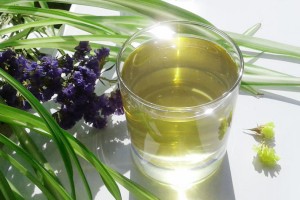
Green tea... there are literally legends about its benefits. Not surprisingly, the upper leaves and..

Green tea is presented in supermarkets and specialized tea shops in a wide assortment. Elite green t..

Green Chinese tea is a matter of admiration and debate. Its gentle sweet taste and aroma captivates..
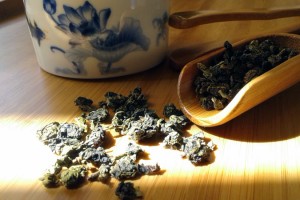
Te Guan Yin is a tea legend, the king among Chinese oolongs. This tea can be called a visiting card ..
Recommended

Bi Luo Chun - the triumph of spring energy. Bi Luo Chun is translated as "Emerald spirals of spring." Green tea, twisted by sma..
215 грн.

Silver Snail - the embodiment of your fantasies Silver Snail is a classic white tea from China, twisted into funny spirits in t..
85 грн.

White Tea Silver Needles - a delicious elixir of health and longevity! Synonyms: Bai Hao Yin Zhen Effect: relieves tension, ..
158 грн.

Synonyms: Alishan Gaba-tea, Alishan Green Gaba-tea, Gabaron-Chai tea, Alishan-Chabaron tea, Alishan Green Haba-tea, GABA-green tea..
280 грн.

Tea produced in one of the most northern regions, the special climate of which endowed the tea with an unforgettable floral aroma...
193 грн.

Included in the list of famous teas in China for a pronounced tonic effect. Synonyms - Huangshan Mao Feng, Shaggy Peaks. Eff..
105 грн.

Kimun is a strong, black, intoxicating, fragrant breath of inspiration from fatigue and depression with a soft "smoke". Synonym..
215 грн.

Warming and hugging evening tea with honey notes of dried fruit for lovers of classic black. Synonyms: Red Yunnan tea, Dian Hon..
141 грн.

Dian Hong - your inspiration and harmony with the heady aroma and rich taste! Dian Hung is autumn! Dian Hoon is a red tea that ..
163 грн.

Golden Brow - delicately curled tea leaf and golden bud. This tea is not only beautiful, it is incredibly tasty and fragrant! ..
138 грн.

Happy Raja - the taste and emotions of childhood! Indian black tea, which returns to childhood not only the taste and aroma, bu..
150 грн.

Assam is the strongest of all Indian teas. About half of the tea produced in India is grown in the Indian state of Assam. The t..
270 грн.

Ceylon black tea - the usual taste and aroma from childhood! Tea grown on the tea island itself. Sri Lanka (Ceylon) is recogniz..
210 грн.

Xiao Zhong - warm embrace of an old friend, coziness and comfort in every mouthful. Effect: warms, improves mood and well-being..
165 грн.