
Tea and Health: Which Tea Types Help Lower Cholesterol and Strengthen the Heart?


- 24 September 2025pmEurope/KievWed, 24 Sep 2025 12:04:00 +03002025pWednesdaypm25
- Views: 6371
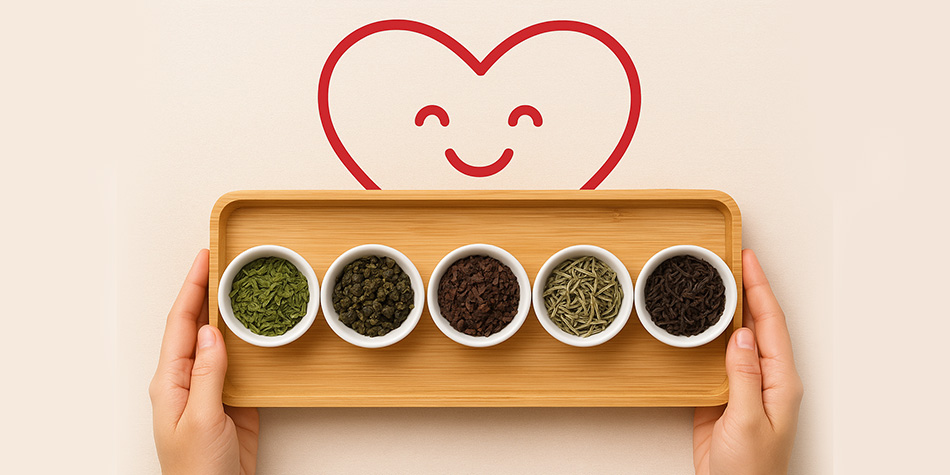
Tea and Health: Which Tea Types Help Lower Cholesterol and Strengthen the Heart
According to ancient legends, tea didn't originate to invigorate sleepy students or decorate the table in British films.In China, it was used for centuries as a medicine. Only later did this amazing infusion acquire the status of a "drink for the soul."
And so today, when doctors frighten us with the words "bad cholesterol" and "atherosclerosis," we return to our roots and ask ourselves: which tea is good for the heart and blood vessels, and which is more mood-boosting?
Tea and Health: Friendship or Illusion?
Tea isn't just hot water with leaves. It contains a whole cocktail of active substances: catechins, polyphenols, flavonoids, amino acids, and caffeine.In medicine, these are called "bioactive compounds," but we simply call them "the very thing we drink for."
These substances not only invigorate and provide a sense of clarity, but also directly impact vascular health: they lower bad cholesterol (LDL), strengthen artery walls, and prevent blood from thickening like jelly.
How does tea affect cholesterol?
Before declaring green tea a superhero, let's clarify. Cholesterol itself is not a villain. We need it for hormones, cell membranes, and even vitamin D cannot be synthesized without it. The problem is that bad cholesterol (LDL) tends to "stick" to the walls of blood vessels, forming plaque. Good cholesterol (HDL), on the other hand, helps cleanse blood vessels.And that's where tea comes in. Its polyphenols act as a "dishwasher": they reduce LDL levels, protect lipids from oxidation, and stimulate HDL production.
As a result, blood vessels become more elastic, the heart is happier, and the number of cardiologists seeing patients decreases.
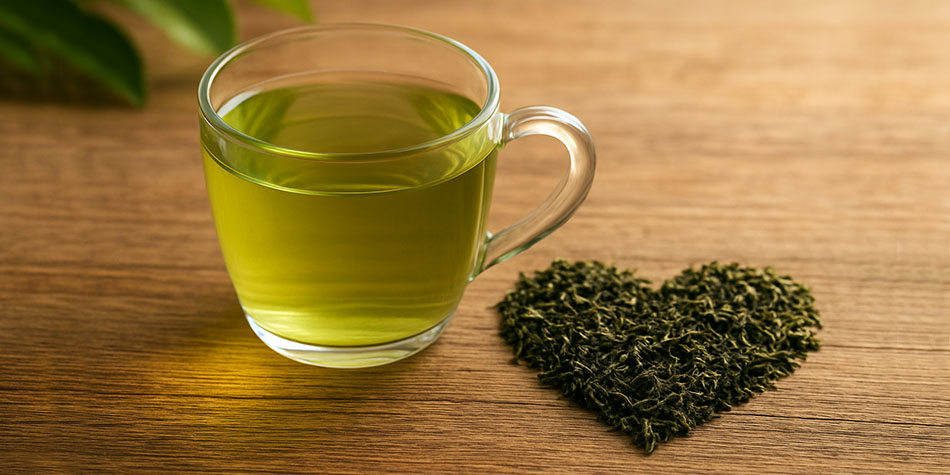
Green Tea: A Leader in Cholesterol Lowering
Green tea is deservedly considered the champion of antioxidants. It is particularly rich in catechins, which actively lower bad cholesterol and protect blood vessels.
According to research (and sometimes it's worth believing), regularly drinking 3-4 cups of green tea a day reduces the risk of cardiovascular disease by 20-30%.
The main benefit of green tea is that it improves vascular tone and helps maintain blood pressure. However, people with hypertension should drink it with caution: green tea increases blood pressure, which may not always be beneficial.
Oolong: The Golden Mean Between Green and Black
Oolong (also known as oolong) is a tea with a semi-precious character. It is neither green nor black, but somewhere in between. Thanks to partial fermentation, it combines the freshness of green tea with the richness of black tea.
Oolong teas are renowned for their ability to boost metabolism and help regulate fat metabolism. This means they also lower cholesterol, albeit more gently than green tea.
Bonus: Oolong tea improves mood, relieves stress, and helps the heart function more steadily—avoiding nervous strain and panic attacks.
Pu-erh: Tea for Strong Hearts
Pu-erh isn't just tea; it's a philosophy. Genuine Chinese pu-erh undergoes a long fermentation process, which produces unique microorganisms and substances that help regulate lipid metabolism.
Studies show that pu-erh is particularly effective for elevated triglyceride and cholesterol levels. It's sometimes even called "tea for the liver and heart."
But it's important to note: pu-erh is more energizing than coffee, so drinking it at night is a questionable idea. However, in the morning, it helps get the blood flowing and tone the blood vessels.
Black Tea: A Classic with Benefits
Black tea is traditionally drunk in Europe. While it may have fewer antioxidants than green tea, it's still a popular choice. Black tea improves heart function, helps with concentration, and slightly thins the blood.
When consumed in moderation, it can reduce the risk of stroke and heart attack. The key is to avoid turning it into a "concrete" of sugar and milk, otherwise the benefits will be limited.
White Tea: A Gentle Vascular Protector
White tea is the most delicate. It undergoes minimal processing, preserving its rich catechins and vitamins. It gently lowers cholesterol, improves vascular elasticity, and at the same time acts gently on the body, without overstimulating it.
White tea is the choice of those who care for their heart and appreciate a delicate, refined taste and aroma.
Which tea is best for the heart?
In short:
Green tea is a champion at lowering cholesterol.
Oolong tea: a balance of health and pleasure.
Pu-erh tea is a powerful remedy for lipid metabolism.
White tea is gentle preventative.
Black tea is a tried-and-true classic.
The conclusion is simple: all teas are good for the heart, but each has its own style. Some are like strict fitness trainers, others like caring psychotherapists.

Herbal teas and the heart: what to add to the classics
Chinese teas aren't the only ones that can support heart and vascular health. Herbal infusions and blends have long been used in folk medicine. Yes, strict scientists sometimes wrinkle their noses and say, "We need clinical trials," but experience shows that herbal teas work well in tandem with green tea, oolong tea, or pu-erh tea.Hibiscus (Karkade)
This bright red drink not only pleases the eye but also helps gentlyLower blood pressure. Hibiscus tea improves vascular elasticity, lowers triglyceride levels, and acts as a natural antioxidant. It's a great option for those looking to support their heart without caffeine.
Chamomile
This well-known "calming herb" is beneficial for more than just sleep. Chamomile tea reduces stress, relaxes blood vessels, and helps normalize heart rhythm. It doesn't directly lower cholesterol, but its antioxidant properties work in the right direction.
Mint
Mint tea is refreshing, helps manage stress, and relieves vascular spasms. It improves blood circulation and promotes relaxation of the heart muscle. It's also ideal for the evening, when it's too late to drink strong green tea or pu-erh.
Lemon Balm
Lemon balm is deservedly considered a "heart herb." Its mild sedative effect helps normalize blood pressure, reduce anxiety, and protect blood vessels from overload. When combined with green tea, lemon balm provides a dual effect: for both calm and the heart.
Rosehip is a source of vitamin C and strengthens blood vessels.
Hawthorn is one of the best natural aids for the heart and normalizing blood pressure.
Linden blossom reduces blood viscosity and acts as a gentle vasodilator.
Conclusion: Herbal teas do not replace green tea or pu-erh tea, but complement them perfectly. It is especially beneficial to alternate: an invigorating tea in the morning for energy, and an herbal infusion in the evening for calm and gentle care for the heart.
Secrets of Proper Use
Regularity is more important than infrequency. One cup a month will not achieve any benefit.Don't overdo it. 4-5 cups a day is enough, otherwise you can get the opposite effect.
No sugar. Sugar neutralizes half the benefits. If you crave something sweet, a date or a piece of dark chocolate is better.
Listen to your body. If tea causes insomnia or increases blood pressure, change the type or time of day you drink it.
Conclusion
Tea and health are a long-standing and strong alliance.The right tea truly helps lower cholesterol and strengthen the heart.
And it doesn't matter whether you choose green, oolong, or pu-erh—the main thing is that this drink brings you joy.
After all, a healthy heart loves not only catechins but also a good mood.
So brew some tea, raise your cups—and may your blood vessels be clean and your heart be light and cheerful!
Enjoy your tea with i-tea.club!
Tea for weight loss - is there such a miracle? What tea really helps to lose weight? Can I lose weig..

It is pleasant to note that today many have begun to practice a healthy lifestyle, engage in fitness..

On the Internet there are a lot of articles on the topic "Green tea leaches calcium from the body." ..
Recently, on the Internet, you can often find information that green tea washes out iron.Iron is an ..
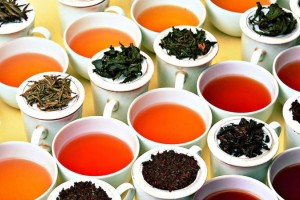
We all heard and read a lot about the benefits of tea. Still, among such a variety of tea, represen..
Recommended

Included in the list of famous teas in China for a pronounced tonic effect. Synonyms - Huangshan Mao Feng, Shaggy Peaks. Eff..
105 грн.

Bi Luo Chun - the triumph of spring energy. Bi Luo Chun is translated as "Emerald spirals of spring." Green tea, twisted by sma..
215 грн.

Silver Snail - the embodiment of your fantasies Silver Snail is a classic white tea from China, twisted into funny spirits in t..
85 грн.

Warming and hugging evening tea with honey notes of dried fruit for lovers of classic black. Synonyms: Red Yunnan tea, Dian Hon..
141 грн.

Jade Oolong Tea is a Jewel in Your Tea Box! Synonyms: Tsui Yu Oolong, Tsui Yu Effect: Improves mood, inspires, fills with a ..
110 грн.

Kimun is a strong, black, intoxicating, fragrant breath of inspiration from fatigue and depression with a soft "smoke". Synonym..
215 грн.
Warming and hugging evening tea with honey notes of dried fruit for lovers of classic black. Synonyms: Red Yunnan tea, Dian Hon..
141 грн.

Dian Hong - your inspiration and harmony with the heady aroma and rich taste! Dian Hung is autumn! Dian Hoon is a red tea that ..
163 грн.

Golden Brow - delicately curled tea leaf and golden bud. This tea is not only beautiful, it is incredibly tasty and fragrant! ..
138 грн.

Happy Raja - the taste and emotions of childhood! Indian black tea, which returns to childhood not only the taste and aroma, bu..
150 грн.

Assam is the strongest of all Indian teas. About half of the tea produced in India is grown in the Indian state of Assam. The t..
270 грн.

Ceylon black tea - the usual taste and aroma from childhood! Tea grown on the tea island itself. Sri Lanka (Ceylon) is recogniz..
210 грн.

Xiao Zhong - warm embrace of an old friend, coziness and comfort in every mouthful. Effect: warms, improves mood and well-being..
165 грн.