
Matcha - Japanese Powdered Tea

- 14 June 2020pmEurope/KievSun, 14 Jun 2020 17:07:19 +03002020pSundaypm20
- Views: 5227

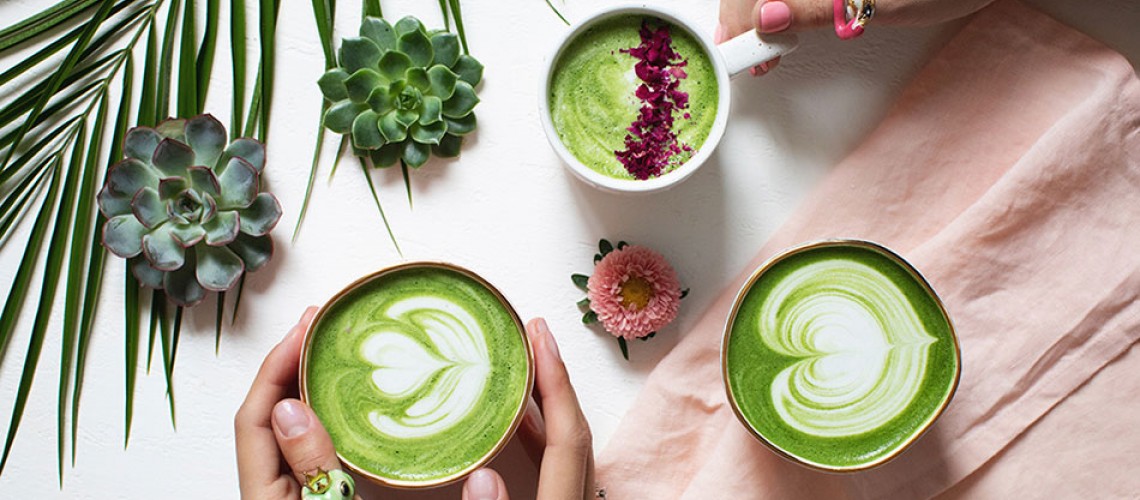
Recently, the popularity of Matcha (Matcha) Japanese powdered tea has increased dramatically. The match is prepared as tea, added to ice cream and desserts, Match Latte - tea with whipped milk foam became a real hit. Instagram is full of beautiful photos of unusual bright green tea and green sweets, the pages of popular food bloggers are full of original recipes for Match Latte, macaroon, muffins, cheesecakes and other desserts with the addition of this green tea.
What is the secret of the popularity of Matcha tea?
Useful
One of the main health benefits of matcha tea is that it delivers a mega dose of antioxidants in every sip. According to recent innovations in antioxidant research, there are exponentially more antioxidants in the match than in any other “superfoods”.
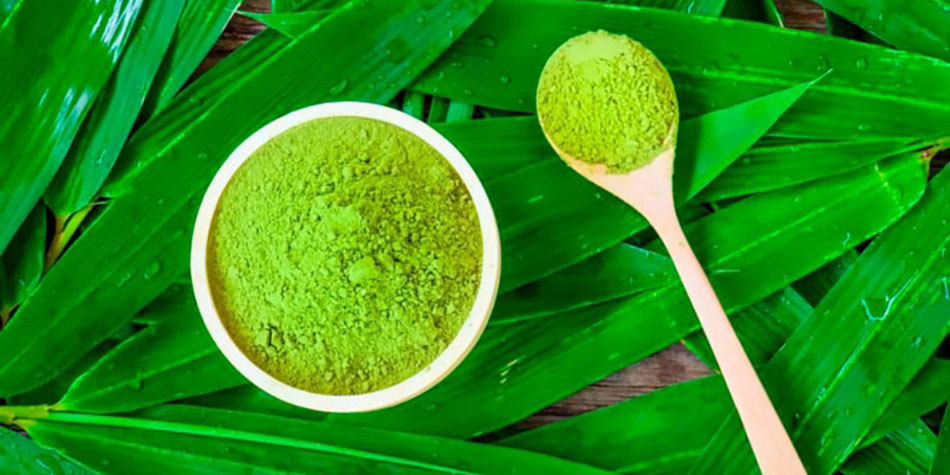
Matcha contains nutrients from the entire tea leaf, resulting in more caffeine and antioxidants than is usually found in green tea. The number of catechins in the match is up to 137 times more than in other types of green tea.
In addition to this matcha:
- Improves metabolism and burns calories
- Effectively and naturally removes toxins
- Soothes the mind and relaxes the body
- Rich in fiber, chlorophyll and vitamins.
- Improves mood and helps in concentration
- Provides the body with vitamin C, selenium, chromium, zinc and magnesium
- Strengthens the immune system
- Lowers cholesterol and blood sugar
Handsomely
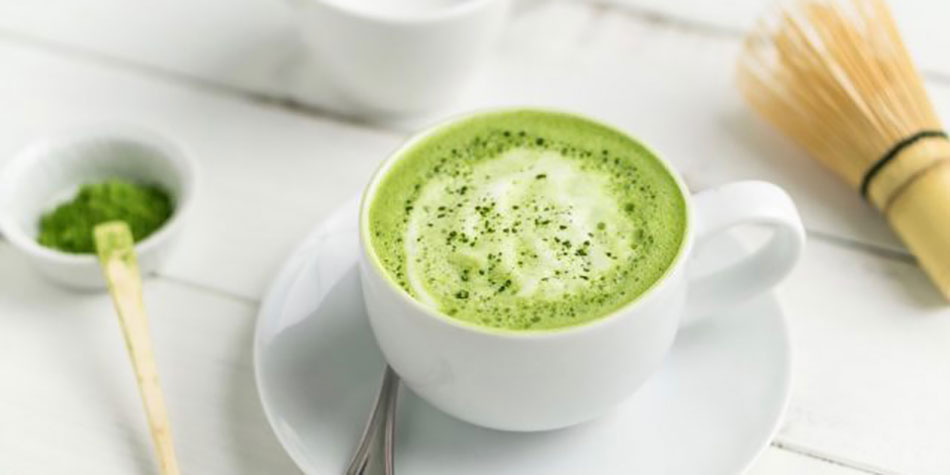
Perhaps with the unusually bright green color of this amazing tea, there was an increased interest of Europeans. The classic way of preparing Matcha is also quite exotic - whipping a green powder with a bamboo whisk is a whole ritual. It's hard to say who came up with adding powdered tea to desserts and pastries to achieve an unusual color without chemical dyes, but it was a great idea.
What can we say about the aesthetic appeal of the Match Latte or cappuccino (also called cappuccino) - green "coffee" surprises and attracts attention. In addition, it has not only a visual resemblance to the usual cappuccino, but also a similar, and even more powerful, invigorating effect.
Tasty
Matcha tea of good quality has a refreshing, grassy, slightly bitter taste, leaving a pleasant sweet aftertaste. Even if you are not a fan of green tea, Matcha with whipped milk will surely subdue your taste buds.
When added to desserts and pastries, the Match changes not only the color, but also the taste of the dish, giving it a fresh, grassy hint.
How to make a match?

Japanese powder tea is made from the same plant as other tea varieties - Caméllia sinénsis, Chinese camellia. But growing technology has its own characteristics.
Farmers grow the match by covering tea plants 20-30 days before harvest to avoid direct sunlight. This increases the production of chlorophyll, increases the amino acid content and gives the plant a darker green tint.
After harvesting, the leaves are dried, the stems and veins are removed, and then ground into fine powder in special stone millstones.
Types of Matcha Tea. How to choose?
There are ceremonial and culinary Matcha.
Ceremonial Matcha - Elite quality powdered green tea. This drink is drunk during a traditional Japanese tea ceremony. This national ritual of the Land of the Rising Sun has not changed for eight centuries. For the ceremony, buy the best Match. Of course, the cost of tea at this level cannot be low. The best tea of the Match is exported by Japan.
Culinary Matcha can be produced in China, Taiwan, Vietnam and other countries. The production standards for such green tea are not so high, but the cost is much lower. Culinary varieties are specially created for everyday use. Many varieties of culinary matches can be recommended for exploring this drink.
You can distinguish high-quality matcha tea from low-grade tea in appearance and aroma. Good tea of bright green color, fine texture, no lumps. Aroma - fresh, grassy, with notes of flowers and fresh milk. Tea of low quality has a less saturated color, often contains lumps, notes of hay or even fish dominate in the aroma.
Color Match
In fact, "non-casual" tea. Matcha has a common name with tea only because it is also tea, powdered.
Blue (blue) Match is made from Thai orchid flowers. It has an incredible bright blue color, which can be changed to beautiful purple if you add a little lemon juice to the drink. It looks very impressive, used for making Blue Latte, coloring desserts and even rice.
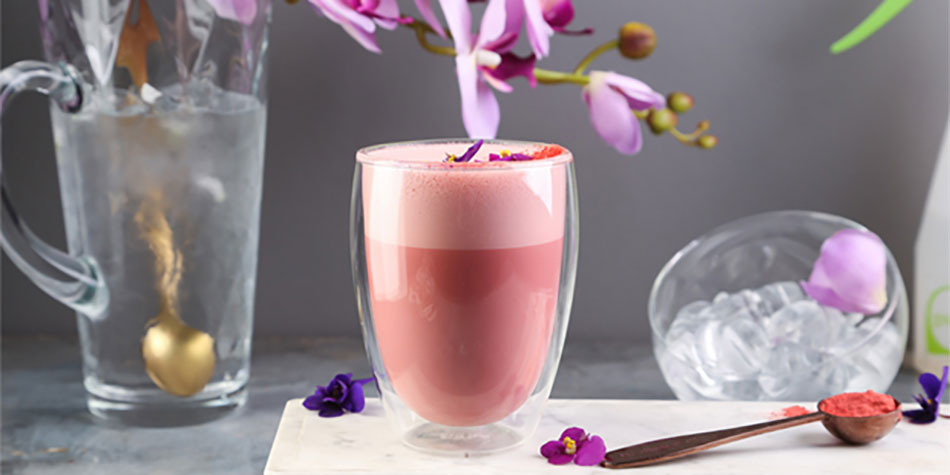
Pink Matcha - powder from the petals of a Chinese tea rose. Unusually fragrant, sweet, with light fruitiness. It goes well with vegetable milk. For coloring, it is better to use another Pink Match from the fruits of pitohaya - this powder tea has a more intense color.
Yellow Matcha (Amchur) - extract of mangoes, ground into powder. Do not brew like a drink. Used for adding to smoothies, bowls, even for making curry.
How to make matcha tea
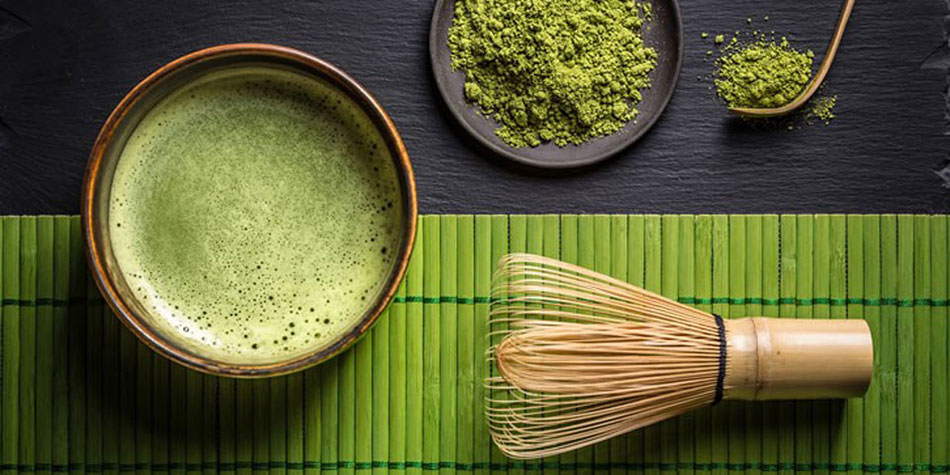
The classic way of preparing the Match is divided into 2 types - strong (quoyta) and weak (bumble)
Koitia
In a heated and wiped dry bowl we place 4 g of powder (1 tsp or 2 chiasak, special measuring spoons) in 50 ml of water. Add a little water 80 ° C and mix with a whisk. Add the rest of the water and continue to stir slowly in a circular motion. Tea is thick and rich.
Usutia
It is prepared in the same way as ustia, but in a proportion of 2 g per 70 ml of water. Ustia, unlike the coyta, is whipped until foam is obtained.
In both cases, the Matcha is drunk immediately after preparation, without sugar or sweets.
To prepare the Latte Match you need to beat 3 g of powder with 30 ml of water - this will be the basis for the preparation of latte or cappuccino.
Summary
Matcha is a trending superfood that has earned well-deserved popularity for its healing properties, exoticism and many uses. Experiment, drink good tea and be healthy!

Which tea is best for women and why?We do not intend to delve into the energetic yin-yang properties..

Colds have come, often even at home or in the office, it is not warm enough, hands and feet freeze, ..
Recommended

Select Japanese Matcha (Matcha) tea from the tops of the tea bush. A premium match is being made on Honshu Island, Shizuoka Pro..
708 грн.

Matcha Blue Tea - Trending Superfood This Year! This is a powdered tea originally from Thailand with an exquisite taste, light ..
650 грн.

Matcha powder of culinary quality. A match of culinary quality is made in China, Zhejiang. Matcha is an excellent natural dye t..
648 грн.

Extract of mangoes (Amchur), ground into powder. The name “match” was due to the powder state. Bright yellow color, fruity taste w..
750 грн.

Pink Matcha is made from powdered petals of a fine rose. 100% natural tea rose powder can be used in different ways - for makin..
572 грн.

The Blue Matcha is made from Thai orchid flowers (three-parted clitoris, moth peas, Anchan) This climbing plant with delicious ..
786 грн.

Inexpensive matcha (matcha) for making tea, match latte and cooking. Effect: tones up, induces active actions, invigorates, ene..
285 грн.

Kimun is a strong, black, intoxicating, fragrant breath of inspiration from fatigue and depression with a soft "smoke". Synonym..
215 грн.

Warming and hugging evening tea with honey notes of dried fruit for lovers of classic black. Synonyms: Red Yunnan tea, Dian Hon..
141 грн.

Dian Hong - your inspiration and harmony with the heady aroma and rich taste! Dian Hung is autumn! Dian Hoon is a red tea that ..
163 грн.

Golden Brow - delicately curled tea leaf and golden bud. This tea is not only beautiful, it is incredibly tasty and fragrant! ..
138 грн.

Happy Raja - the taste and emotions of childhood! Indian black tea, which returns to childhood not only the taste and aroma, bu..
150 грн.

Assam is the strongest of all Indian teas. About half of the tea produced in India is grown in the Indian state of Assam. The t..
270 грн.

Ceylon black tea - the usual taste and aroma from childhood! Tea grown on the tea island itself. Sri Lanka (Ceylon) is recogniz..
210 грн.

Xiao Zhong - warm embrace of an old friend, coziness and comfort in every mouthful. Effect: warms, improves mood and well-being..
165 грн.